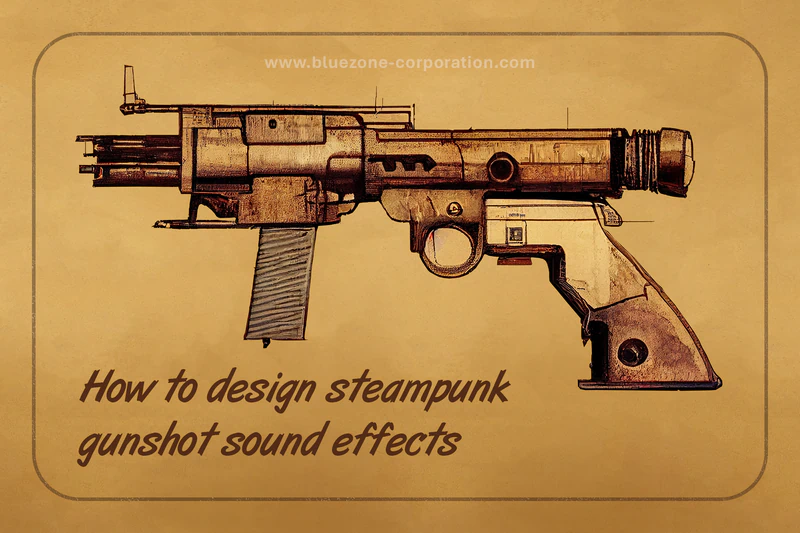
Steampunk isn't just a visual style. It's an entire universe, where every detail counts, including weapon sounds. In a movie, video game, or animation, a simple gunshot becomes a narrative cue. So this means you have to go beyond the simple blast.
The goal here is to understand what a steampunk gunshot sound is and identify the needs of your project. Next, you need to record or design the sounds, structure a stylized gunshot, and then integrate it into your production.
Whether you're a sound designer or an independent creator, this guide walks you through the process step by step and offers concrete tips for success.
Key Takeaways
- A steampunk shot is constructed. It’s not limited to a simple blast.
- The starting point is the weapon. It’s what guides the sound identity of the shot.
- As soon as shots are repeated, that’s when variations are needed. Otherwise, the repetition quickly becomes noticeable.
- Depending on the project, the requirements aren’t the same. Films, games, and trailers don't call for the same type of sounds.
- Well-chosen raw recordings are a solid foundation. Then you build layer by layer.
- Structure matters, as do details. It's the whole that makes up the identity of the weapon.
- Maintain a balance between sounds to avoid sonic chaos.
Why a steampunk gunshot doesn't sound like a classic gunshot
A steampunk gunshot sound effect isn’t just a simple detonation. It’s an assembly of sound layers that evokes a handcrafted, sometimes unstable, often experimental universe. To evoke retro-futuristic technology, mechanical, thermal, and energetic elements must be combined.
Unlike a conventional gunshot sound, a steampunk gunshot is constructed entirely from sound design. In the firing sequence, each sound element fulfills a specific function. Here are the main layers to consider:
- The blast: This is the essence of the shot. It can come from a real gunshot, fireworks, or an impact on materials.
- The mechanical layer: Added to the base, mechanical sounds recreate the internal gears, levers, or springs.
- The energy layer: This indicates the type of energy used by the weapon: pressurized steam, compressed air, explosive combustion, electric arc, or even a light pulse.
- Release: This is the end of the shot. It’s often marked by a blast, vibration, or metallic resonance.
- Natural reverberation: This layer is optional. It’s added to simulate a space, such as a hangar, alleyway, or closed workshop.
Example of steampunk shots from the Steampunk Weapon Sound Effects and Textures sound library.
Assembling the shot layer by layer allows you to achieve a sound that fits into the steampunk universe. But in order for this to work, you need to understand the retro-industrial style and have a clear vision of your project, the type of weapon, and its role.
Defining the weapon and its sound identity
The sound of a retro-futuristic firearm depends directly on the fictional technology it represents. It may resemble a Lefaucheux M1854 or a steam-powered rotary piston rifle.
In a steampunk universe, certain categories of weapons often recur, each with its own specific sound characteristics. Here are the different types you need to know:
- Black powder weapons: These produce a dull, dry, rapid detonation, followed by a low-pitched blast. A slight crackling sound may occur due to the combustion of the powder.
- Steam weapons: These combine a muffled metallic clang with a blast of abruptly released steam.
- Electric weapons (e.g., Tesla coils): These begin with a humming charge that increases in intensity, followed by a sharp discharge. The shot may be prolonged by crackling or an electromagnetic trail.
- Pneumatic weapons: These emit a click, immediately followed by a blast of compressed air. The effect is similar to potato cannons which are homemade launchers that propel objects, often potatoes, using flammable gas or pressurized air.
- Hybrid mechanical weapons: These combine the clattering of gears or springs with a metallic detonation. Vibrations may prolong the end of the shot.
- Energy weapons: These produce a build-up of energy followed by a discharge accompanied by synthetic oscillations.
In a steampunk universe, making the right choices is key to ensuring that an imaginary weapon is instantly recognizable. The next challenge is to vary the shots so that each sound remains unique.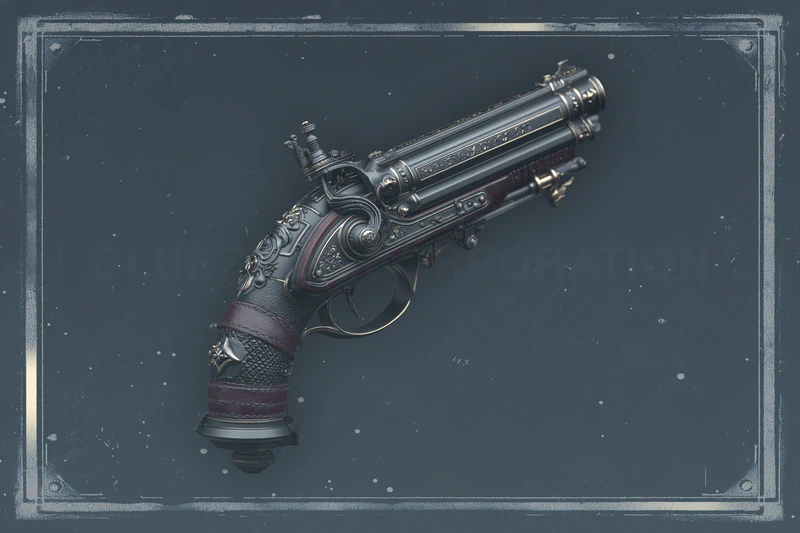
Shots without variation sound artificial
When there are several successive shots, like in a video game or movie action scene, the repetition quickly starts to sound artificial. Variations are enough to keep it sounding natural. For a steampunk weapon reminiscent of a Gatling gun, which is an iconic hand-cranked machine gun from the American Civil War (1861–1865), a few variations are enough to prevent the repetition from being heard.
Depending on the soundscape of your project, it’s important to create several versions of the same shot by slightly varying the intensity, timing, and timbre.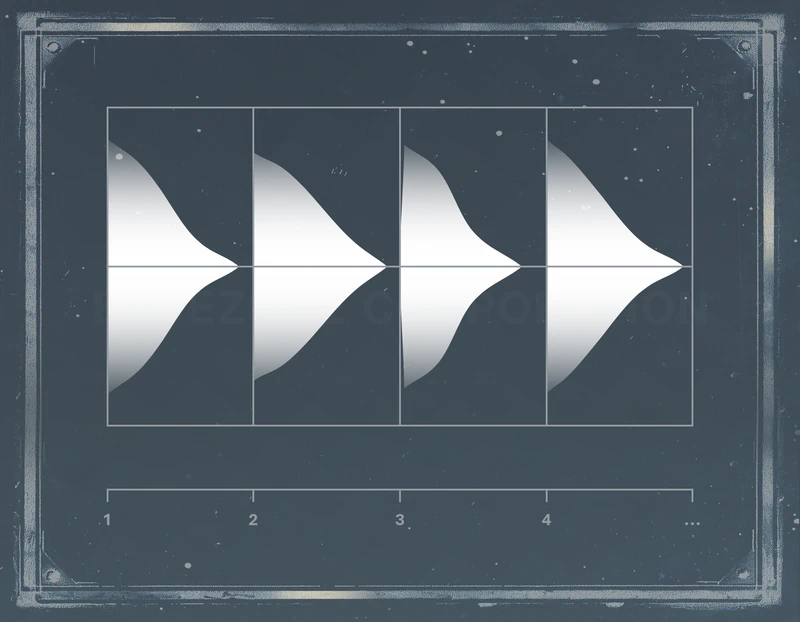
Adapt your shots to the contexts in which they will be used:
- Movies and TV series: A shot often occurs at a specific moment in the plot and it must support the storyline. Therefore, you can alternate between calm and violent shots.
- Trailers and teasers: Shots are often more intense and dramatic. They must stand out despite the often very present background music. Variations must be more pronounced to achieve an immediate impact in just a few seconds.
- Video games: The same shot can be played hundreds or even thousands of times. The sound must withstand repetition without being overdone. Audio middleware such as FMOD or Wwise allows you to vary the nuances to manage distance, the player's POV, and the constraints of the audio engine.
Once the context has been established, we can focus on the material: the raw sounds you’ll record.
Collect raw sounds to use as a basis
Above all, the quality of a steampunk shot depends on the sources you record. Be creative! There are no bad ideas as long as they are in line with your project.
Capture real gunshots (getting off on the right foot)
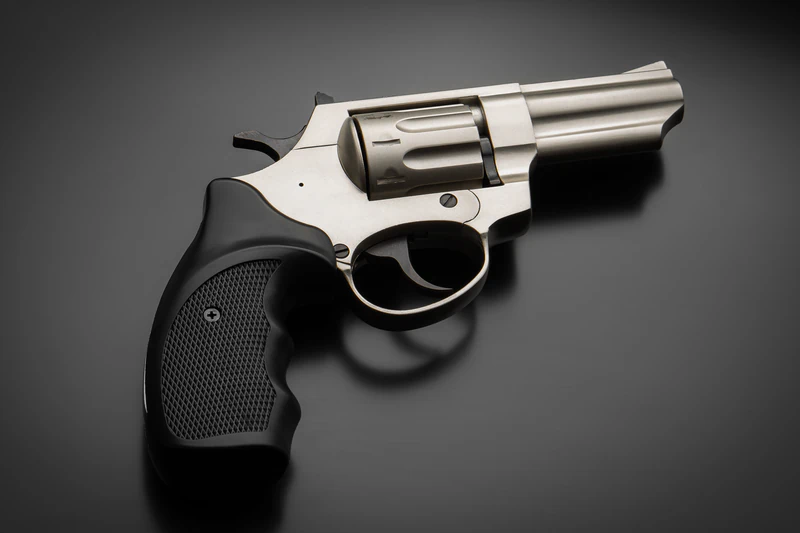
The best place to start is by recording real gunshots, whether from modern or antique weapons. You should also consider using black powder weapons, which are particularly useful for obtaining an interesting acoustic base.
For example, in the Steampunk Weapon Sound Effects and Textures collection, we recorded using Smith & Wesson and Colt revolvers, as well as Glock and Beretta semi-automatic pistols.
If you have the opportunity to record this type of sound, choose an open environment, far from noise pollution. For example, open-air quarries, deserts, or canyons are perfect locations. They offer natural reverberation without any noise pollution.
If it’s not possible to use firearms, you can use blank guns, fireworks, or record impacts on materials. Another option is to use weapon sound effects libraries available on specialized platforms.
How to transform objects into stylized textures
The steampunk universe is based on imaginary combinations. To create them, you can use many everyday objects. These sources give you material to build stylized sound layers. These objects are among those we recorded to create the Steampunk Weapons sound pack.
Here are some concrete examples:
- Toasters
- Door hinges
- Metal boxes
- Toolboxes
- Door handles
- Wooden drawers
- Bed springs
- Metal locks or latches
If you have access to non-functioning or deactivated weaponry, record their sounds as well: the revolver barrel, the reloading mechanism, the breech. These details are invaluable.
If possible, always record without reverb. This makes processing and editing easier. And be sure to do multiple takes, vary your movements, and strike from different angles: you'll have variations to work with later.
Next, layer and integrate these sounds to create shots that fit with your project's artistic direction.
Integrating electronic sounds without veering into high-tech territory
Steampunk blends retro technology with futuristic sound effects. This means you can incorporate synthetic sounds, as long as you stay true to the spirit of the genre. Here are a few examples:
- Oscillations to simulate the charging of a condenser before firing.
- Filtered white noise to imitate steam releases.
- High-pitched, crackling pulses to represent a discharge or electric arc.
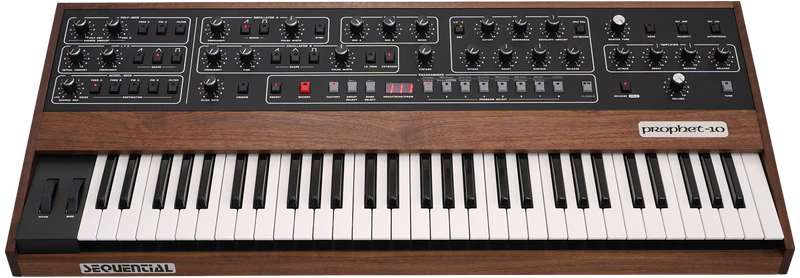
But be careful not to overdo it. If the sound is too synthetic, or too perfect, it starts to sound digital, and you can slip into high-tech or even cyberpunk. Steampunk is a world of gears, pistons, and imperfect materials. So favor raw, slightly unstable, or deliberately irregular sounds.
How to structure a steampunk shot in your DAW
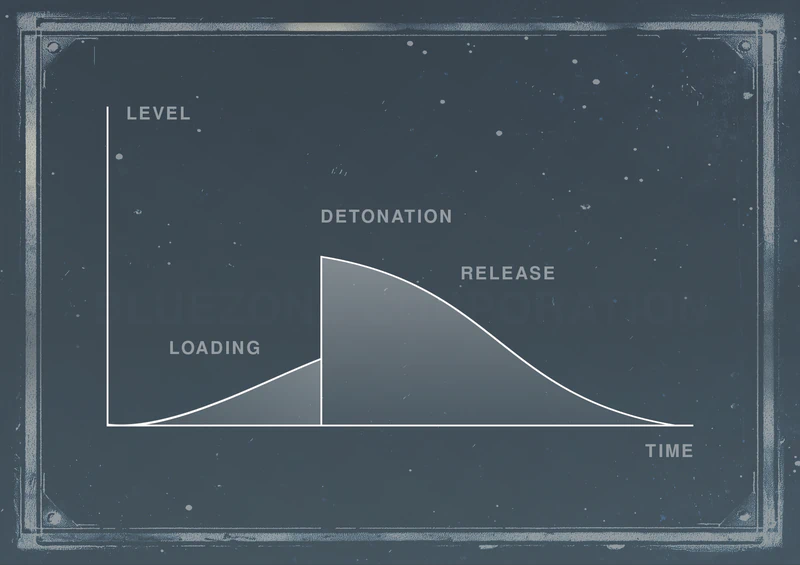
Each shot follows a 3-step sequence
A steampunk shot is generally constructed in three consecutive stages. Here are some examples for each stage:
- Loading: Springs, levers, ascending buzzing sounds.
- Discharge: An explosion, impact, shock, blast.
- End of the shot: A blast, steam, vibration, mechanical release.
Each stage fulfills a specific function: the assembly and layering of these elements are at the heart of sound design work. Everything depends on the balance and contrast of sounds. It’s in this assembly that the weapon really takes shape.
Details that make all the difference
Here, it's the small editing and production choices that change the perception of a shot.
- Carefully cut out sounds that are too long to keep the material clean.
- Add metal clicks just before the shot goes off. This detail suggests tension, or a mechanism that’s ready to release, and reinforces the perception of a powerful shot.
- Create variations with secondary sounds. You can avoid overly repetitive shots by adding reloads, jams, or internal movements.
- Don't use the same sounds for different weapons. Each weapon has a distinct sound signature.
- Finally, think about the intention. Your shot should evoke something: brutality, precision, instability, refinement. Each texture should support this feeling.
Once these details are in place, that's when the mixing and production work begins.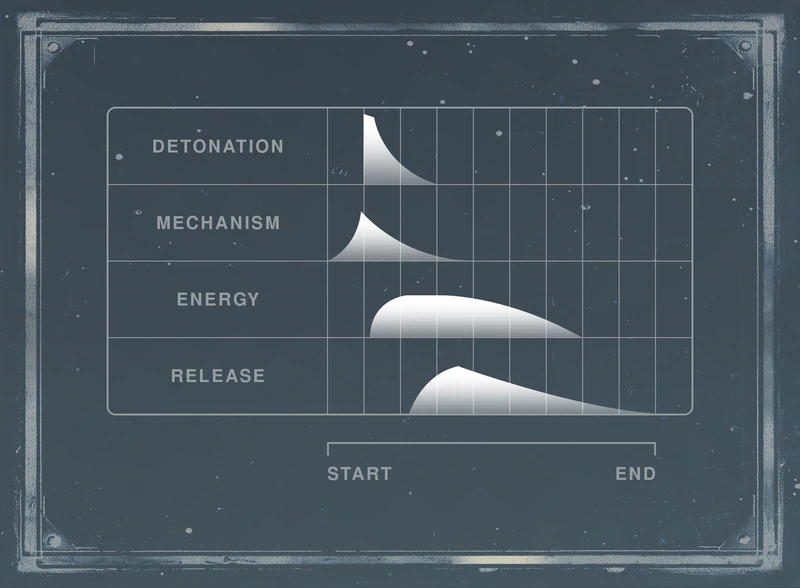
Tools for working in sound design
Which DAW to use and why
To create gunshot sound effects, you’ll need a digital audio workstation (DAW). Free versions may suffice for simple projects. But for more complex projects, a more powerful tool quickly becomes essential, especially if it’s made for sound design and post-production.
Here’s a selection of some software options available:
- Pro Tools: The gold standard in film and video games. Very comprehensive, but also more expensive.
- Nuendo: Powerful, reliable, geared toward post-production and interactive audio.
- Reaper: Lightweight, economical, and highly customizable. Very popular with freelancers.
- Cubase and Logic Pro: More music-focused, but perfectly suited for sound design.
The choice all depends on your needs, way of working, and budget. If you don't need to synchronize audio with video, software such as Cubase may suffice. Alternatively, Nuendo offers advanced features for post-production, though it’s more expensive.
The key is to be able to organize your sounds, easily manipulate them, and automate effects. But above all, choose a DAW that you feel comfortable with, as you’ll be spending a lot of time using it.
Plugins you need to know
Certain effects are essential for creating steampunk sounds. Here’s a selection of the most useful ones, along with their uses:
- EQ (Equalization): Used to adjust frequencies to prevent layers from overlapping.
- Saturation and distortion: When used in the right amounts, they add roughness and an abrasive dimension to sounds.
- Bitcrusher: Lowers digital quality and makes the sound rougher, with a degraded color.
- Chorus and Flanger: Add movement or width, useful for thickening a sound layer or simulating a surge of energy.
- Reverb: Places the sound in a specific acoustic space. Use this sparingly depending on the context.
- Tremolo: Adds pulsations, often used to represent tense energy charges.
- Ring modulation: Produces metallic resonances, sometimes with a robotic color.
- Gate and stutter: Used to fragment and repeat parts of a sound to achieve a choppy, jerky effect.
- Modulations: Add movement and variation, giving the sound a sense of instability.
Chaining effects and automating them allows you to adjust sounds and change parameters during firing.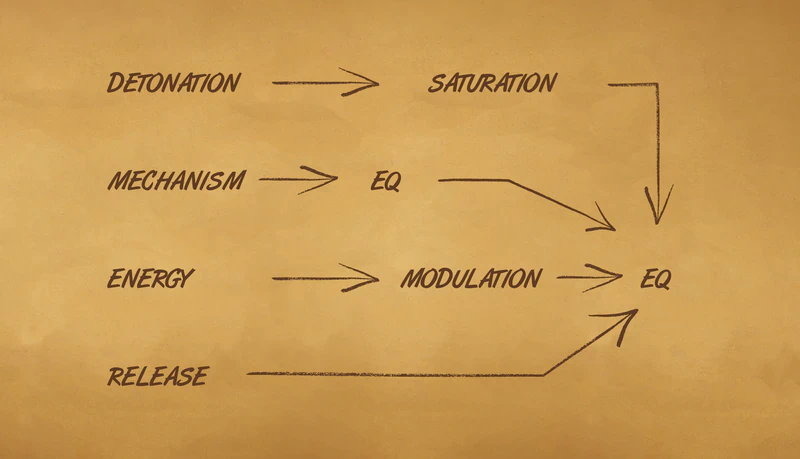
The particular case of reverberation
Reverberation needs to be used with precision. A shot fired in a narrow alleyway will not sound the same way as a shot fired in an open field or in a closed room. Each location changes the propagation of sound.
- In a film, reverb is often added in post-production, depending on where each scene is set. For projects without post-production - such as certain amateur videos or low-budget projects - it’ll need to be added to the sound directly.
- In a video game, it’s automatically managed by the audio engine (FMOD, Wwise, Unreal Engine, Unity). This means that it’s preferable not to integrate it directly into the sound files, so that the audio engine can manage it according to the environment.
Mixing and editing: creating a balanced sound
In your DAW (Reaper, Nuendo, Pro Tools, etc.), start by balancing the volumes. Each element should be clearly audible without overpowering the others. Avoid boosting the bass or treble too much unless it’s absolutely necessary.
Next, use EQ: clean up any problematic frequencies so that each element remains easy to distinguish. Add compressors or limiters to control the dynamics and avoid peaks that throw off the overall balance. Light saturation or a bitcrusher can also make the sound rougher and enhance its vintage feel.
Work track by track, using effects that are appropriate for the role of each sound.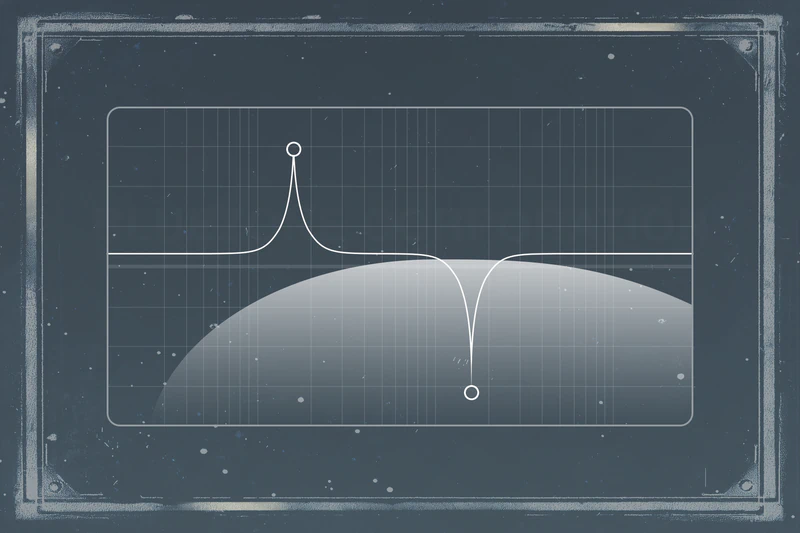
Creating a sound signature that distinguishes each weapon
Even in a stylized steampunk universe, each weapon needs to have its own sound identity. A sound signature allows the user to recognize a weapon, even without seeing it. It’s a narrative tool, just like visuals or animation.
To clearly differentiate your shots, you can play with several factors:
- Texture density: A complex shot will not have the same presence as a sharp, clean shot.
- Duration and dynamics: Some shots should crack, while others should resonate.
- The addition of specific mechanical elements: Visible gears, worn springs, faulty valves, etc.
These tips are essential because if all the weapons sound the same, the narrative falls apart.
Mistakes that can ruin a gunshot sound effect (and how to avoid them)
Creating a steampunk shot requires precision, but also restraint. Certain pitfalls often arise, especially when the sound elements are stacked without looking at them with an outside point of view.
Here are the most common mistakes to avoid:
- Using too much reverb: This is a classic mistake. Too much reverb drowns out the sound in the mix and prevents you from clearly hearing the layers that make up the shot. In a steampunk universe, every element counts. If everything is constantly resonating, you lose contrast and everything becomes blurred.
- Leaving too many low frequencies: Poorly controlled bass frequencies result in a muffled sound. Too much bass overloads the lower end of the spectrum and leaves less room for other elements.
- Stacking layers without managing dynamics: Even if multiple sounds can add detail to a shot, without proper balance, the whole thing loses its impact. It's all about dynamics, so this means you have to manage the volumes.
- Neglecting variations: Each shot should have a slight variation so that the sound doesn’t repeat itself. This is what makes a shot sound natural.
- Using poor-quality files: In sound design, the initial quality is essential. Work in 24-bit/96 kHz: you’ll be able to manipulate your sounds without degrading them.
To avoid these mistakes, take the time to do some tests, isolate problems, and correct each step of the process, one by one.
Need steampunk sound effects? Start here
To save time, you can start with ready-to-use sound effects libraries. Some specialized packs include mechanical, explosive, or retro-futuristic textures that are useful for steampunk universes. Here are a few resources:
- Steampunk Weapon Sound Effects and Textures
- Tiny Gears - Small Mechanism Sound Effects
- Detonation - Explosion Sound Effects
- Switch and Button Sound Effects
- Steampunk Mechanical Sound Effects
- High Voltage - Electricity Sound Effects
- Industrial Lever Switch Sound Effects
You have the method, now it's up to you to get the result
Designing a steampunk gunshot can’t be improvised; each weapon deserves specific sound treatment. The most important thing is to obtain a gunshot sound that matches the weapon, but also one that fits into your steampunk universe. The goal is not just to produce a noise, but to give it meaning.
FAQ
Why doesn't a steampunk shot sound like a conventional gunshot?
A steampunk shot combines a blast with elements that evoke retrofuturistic technology, whereas a conventional gunshot sound effect focuses on a realistic sound.
Does the sound identity depend on the weapon's technology?
The weapon's technology defines the sound signature of the shot: a black powder, steam, electric, or pneumatic weapon is not built with the same sounds.
Do you need to record a real gunshot to create a steampunk shot?
No, it's not necessary. A real gunshot provides a solid foundation, but you can also achieve good results with blank guns, fireworks, impacts on materials, or dedicated sound packs.
What layers make up a steampunk shot?
A steampunk shot consists of a discharge, a mechanical layer, an energy layer, and an after-shot sound. Reverb is optional and depends on the setting.
What can I record to add detail to the blast sound?
You can record everyday objects (for example: a toaster, door latch, metal tools) to obtain sounds that can be layered over the blast.
How can I avoid the sound of a shot becoming repetitive?
When there are several successive shots, provide several variations of the same shot. Slightly vary the intensity, timing, and timbre.
Should I include reverb in my files?
For movies and TV shows, it’s best not to include reverb in your files. In a video game, you don't need to integrate it either: the game engine handles it.
Can I integrate synthetic sounds into a steampunk shot?
Yes, you can integrate synthetic sounds into a steampunk shot, as long as they retain a retro-futuristic feel.
Which DAW should I use to create steampunk shot sound effects?
One DAW is enough: Pro Tools or Nuendo are suitable for post-production, Cubase and Logic Pro are renowned for sound design, and Reaper is an economical option. Above all, choose the one you’re comfortable working with, depending on your budget and needs.