Science fiction movies transport audiences into worlds that do not exist yet feel entirely real. From distant galaxies to advanced artificial intelligence, these stories lean on more than visuals to convince viewers. Sound plays a decisive role in that illusion.
In sci-fi cinema, sound gives structure to the unknown. Creative sound design defines environments, influences perception, and adds physical presence to futuristic elements. Without it, even the most visually impressive film would feel incomplete. Whether it is the low hum of a spacecraft or the silence of deep space, sound anchors the audience in the experience.
This article explores how sound effects in science fiction movies enhance atmosphere, strengthen storytelling, and make the impossible believable. In cinematic sound design, "ambience" refers to the continuous background sound of an environment, while "sound effects" describe individual elements added to enhance specific actions or details.
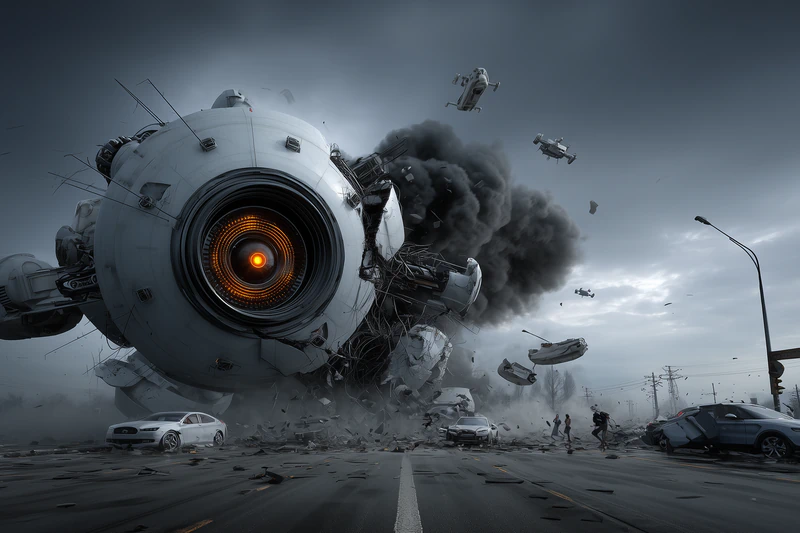
The role of sound effects in sci-fi movies
Creating futuristic worlds through sound
Science fiction requires filmmakers to build environments with no real-world reference. This opens the door to sound design, where every sound contributes to defining a new reality.
A futuristic city may be characterized by layered electronic tones, a distant mechanical hum, and digital signals.
In contrast, an alien landscape might rely on layered elements such as organic ambience, distant creature calls, subtle pulsations, and environmental textures that suggest a living ecosystem. These sonic environments are rarely built from a single source. Instead, they are composed of multiple layers carefully combined to create depth and coherence.
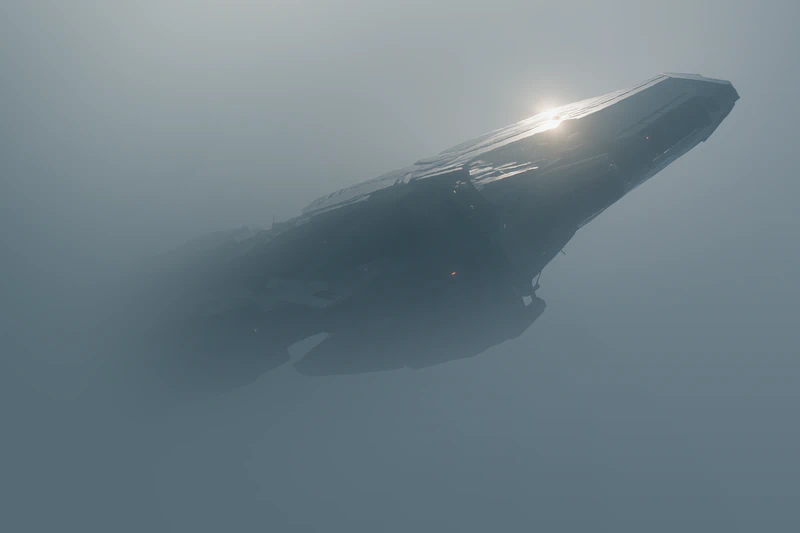
Sci-fi audio preview: Alien Spacecraft Sound Effects by Bluezone Corporation.
This process, often referred to as layering, is fundamental in cinematic sound design. A single environment may include continuous background ambience, combined with isolated sound elements such as mechanical impacts, metallic creaks, or distant noises that add detail and narrative depth. Together, these layers form a cohesive sonic identity.
Films like Blade Runner and Dune demonstrate how sound design can become integral to world-building. In both cases, sound is not a background element, it actively defines how the environment is perceived.
Designing technology, aliens and environments
Science fiction introduces concepts that have no tangible equivalent: advanced machines, artificial intelligence, and extraterrestrial life. Sound gives these elements clarity and identity.
Each individual sound is designed with intention. High-frequency sounds can suggest precision, speed, or digital activity, while low-frequency sounds convey scale, density, and a sense of power or threat. These sonic signatures allow audiences to understand high-level technologies intuitively.
For alien life forms, sound becomes even more critical. Designers often combine organic recordings, animal sounds, and digital processing to create entirely new vocalizations. Subtle breathing textures, layered sound elements, combined with subtle variations and irregular breathing patterns, help build creatures that feel alive and unpredictable.
In many cases, sound also conveys behavior. A creature’s movement, mood, or threat level can be expressed through changes in pitch, timing, or intensity. This allows filmmakers to communicate information without relying on dialogue or exposition.
Without carefully designed sound effects, these elements would lack definition. With them, they become immersive and credible. Such an approach echoes the work of Ben Burtt, whose creation of iconic sci-fi sounds demonstrated how sound can define entire universes.
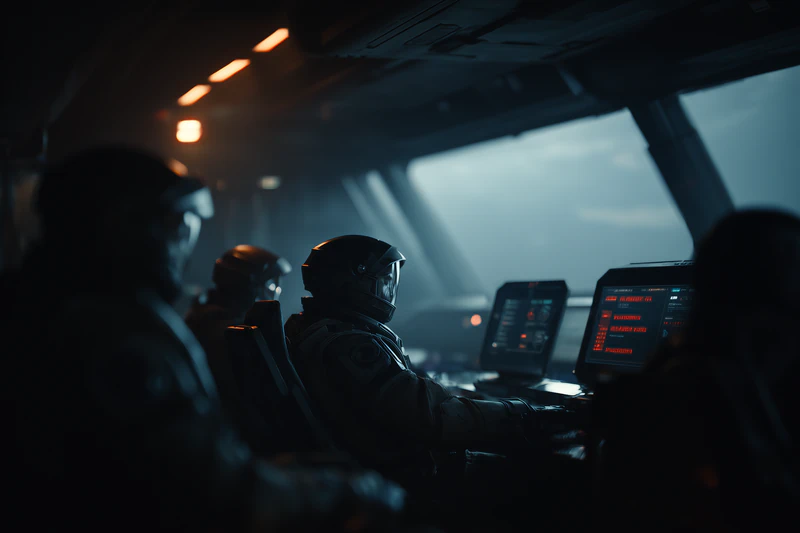
Immersion begins with atmosphere
Beyond individual effects, background ambience establishes the sensory framework of a scene. Continuous background layers give depth to environments and reinforce spatial perception.
In science fiction films, this may include the subtle vibration of a spacecraft, the distant reverberation of metallic corridors, or the stillness of an abandoned structure. These elements often operate below conscious awareness, yet they are essential for maintaining immersion.
From a technical perspective, ambience also plays a role in psychoacoustics, the way humans perceive sound. Low-frequency tones can create a sense of tension or unease, while high-frequency details enhance clarity and alertness. For example, sub-bass vibrations are often used in spacecraft interiors to create a subtle sense of pressure and instability. By carefully balancing these elements, sound designers influence emotional responses without drawing attention to the technique itself.
Silence is equally important. In space sequences, the absence of sound reinforces realism while creating contrast. This controlled use of silence heightens attention and intensifies the impact of any subsequent sound. Together, these elements shift a scene from something you watch to something you physically feel.
How sound effects enhance sci-fi storytelling
Creating tension and emotional impact
Sound is a powerful narrative tool in science fiction. It builds anticipation, signals danger, and reinforces emotional intensity throughout a film.
In Alien, the industrial ambience of the Nostromo, with its worn metallic textures, ventilation noise, and distant echoes, creates a persistent sense of unease. The environment itself becomes a source of tension, suggesting danger even before it appears on screen.
In Interstellar, low-frequency ambience and carefully controlled silence reflect the vastness of space and the fragility of human life. The sound design mirrors the emotional stakes of the story, highlighting key moments without overwhelming them.
Sound also plays a role in pacing. Gradual increases in intensity and density can build anticipation, while sudden changes can trigger shock or surprise. These techniques guide the viewer’s emotional journey and reinforce narrative structure.
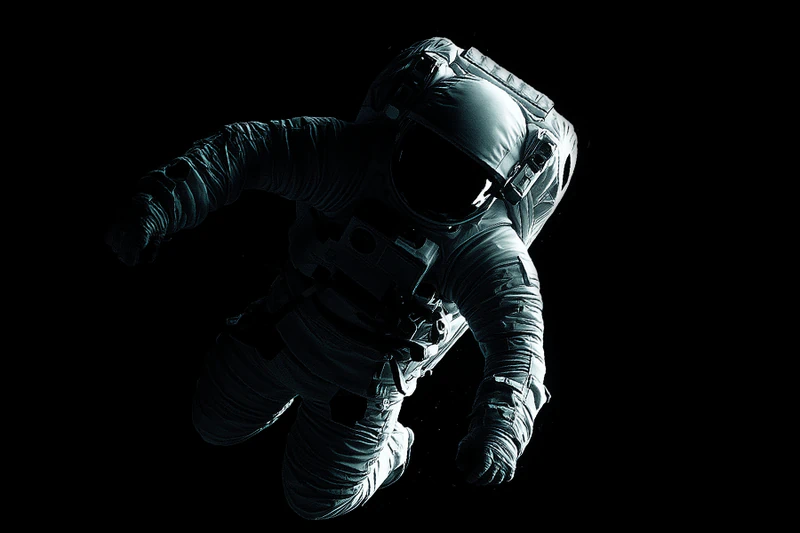
The power of silence and contrast
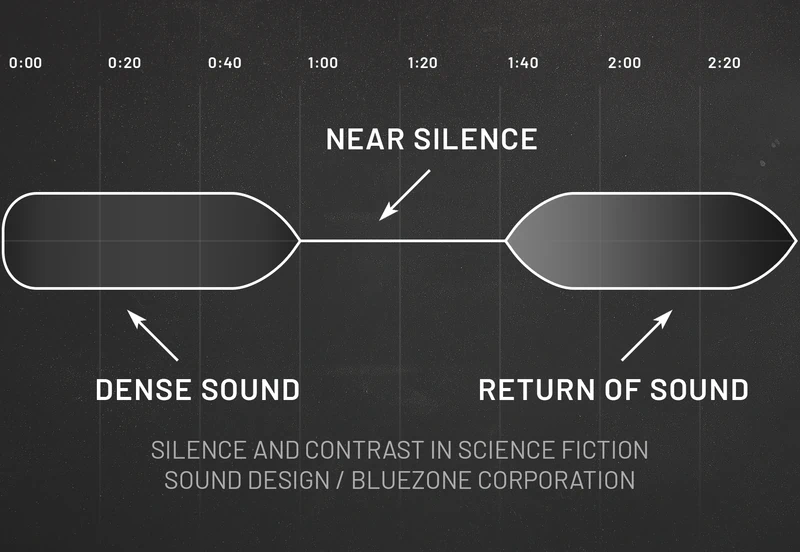
Silence is one of the most effective tools in sci-fi sound design. In a genre often associated with complex and dense sound, removing sound can create a stronger impact than adding it.
In Gravity, sound designer Glenn Freemantle uses extended moments of near-total silence as a deliberate choice, placing the audience directly into the character’s perspective. In A Quiet Place, sound designers Ethan Van der Ryn and Erik Aadahl use silence as a narrative device to heighten tension, emphasize vulnerability, and make every sound feel consequential.
Contrast is essential. When sound returns, whether through breathing, impact, or subtle material movements such as friction or structural vibrations, it feels significantly more intense. This dynamic interplay between silence and sound maintains engagement and highlights key moments.
Making the unreal feel real
Science fiction challenges audiences to accept unfamiliar concepts. Sound provides the realism needed to support that suspension of disbelief. Even the most abstract ideas require a sense of physical presence. Sound adds weight, texture, and coherence to visual elements, making them feel grounded in a believable reality.
In Ex Machina, subtle synthetic textures and delicate mechanical details reinforce the dual nature of artificial intelligence. In The Matrix, structured sound design helps stabilize a highly abstract digital world.
Consistency is key. When sound reflects visual logic, the brain accepts the illusion. When inconsistencies appear, immersion is quickly broken.
Sound design in modern sci-fi films
As science fiction evolves, so do the tools used to define its sonic identity. Technologies such as Dolby Atmos and spatial sound allow sound to move dynamically within a three-dimensional space.
This spatialization enhances how audiences perceive distance, direction, and movement. With Dolby Atmos, re-recording mixers can treat certain sounds as individual audio objects, placing and moving them precisely within the environment, including above the viewer through overhead speakers.
Modern workflows rely heavily on advanced digital processing, allowing designers to manipulate sound in precise ways. Pitch shifting and time stretching are commonly used to create unique sonic signatures for futuristic elements. As a result, sound is no longer a supporting layer, it is a core component of cinematic storytelling.
Producing high-quality science fiction sound effects requires both technical expertise and time. As a result, many creators rely on professional sound libraries to maintain consistency while accelerating production workflows.
Sound effects are fundamental to what makes science fiction movies immersive, believable, and emotionally engaging. They define environments, support storytelling, and give substance to the unknown.
From layered ambience to precise sonic details, every element contributes to the overall experience. As technology evolves and audience expectations grow, high-quality sound has become a defining standard in filmmaking.
In science fiction, sound does not simply accompany the image; it makes the world credible.
Want to see more of our content in Google? Add us to your Preferred Sources.